
Greetings from the Board – August 2026


Greetings from the Board:
I probably mentioned we need new volunteers for the board and committee members about every other newsletter. I recently ran for the Town Council in Oro Valley and to my pleasant surprise, I was elected! I’ve been on the Rancho Vistoso HOA Board since 2021and I plan to serve out my term that ends in March 2027. We will need Rancho Vistoso members to step up and volunteer to serve.
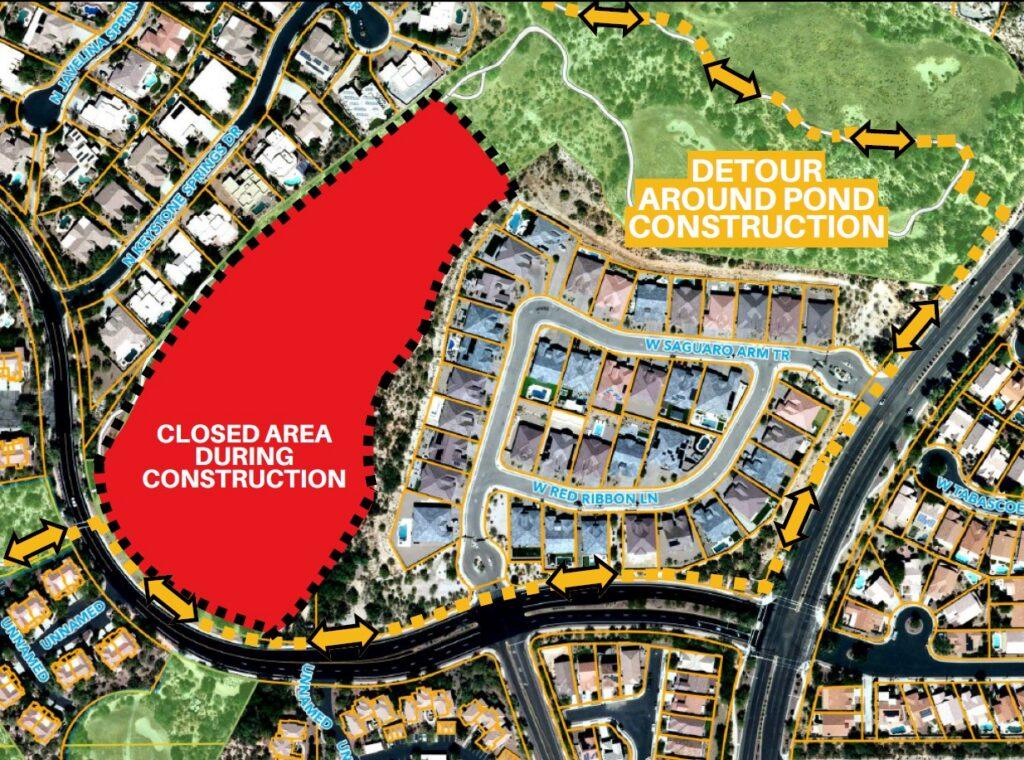
The pond restoration at Vistoso Trails Nature Preserve is underway. Here’s the link for construction updates: https://www.orovalleyaz.gov/Government/Departments/Parks-and-Recreation/Vistoso-Trails-Nature-Preserve-Pond-Project#section-4
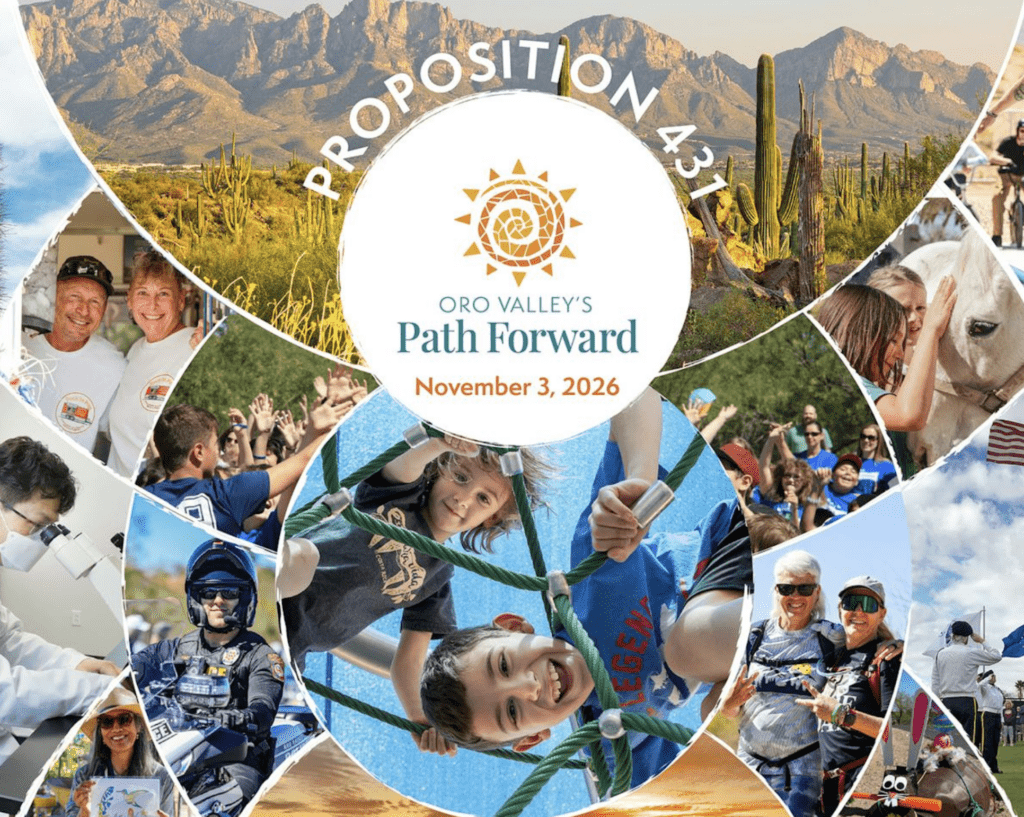
Oro Valley’s 10 year plan, OV Path Forward, will be on your ballot for the November 3rd election as Proposition 431. Here is the link: https://www.ovpathforward.com/
Matt Wood – VCA President
Snapshot – August 2026


Barbara Daoust
General Manager
First Service Residential
Reserve Study
The Reserve Study is currently being reviewed by the Finance Committee and Board. Preliminary results show that VCA reserves are 79.5% funded, while Siena reserves are 63.2% funded.
These reports provide a helpful roadmap for the future and will support the development of a multi-year funding plan to strengthen reserve funding over time. They will also play an important role in preparing the 2027 budget.
2025 Audit
The final 2025 audit report has been completed by Butler Hansen, the Association’s certified public accounting firm. The Board will officially accept the report at the July 30 meeting and will also review a proposal from Butler Hansen for the 2026 audit and tax preparation services.
This is an important step in keeping the Association’s finances on track and planning ahead for another successful year.
Monument Lighting
Cascade Electric was selected to replace the solar lighting system at the Sonoran Vista entryway monuments. The new system is currently being built and will be installed upon completion.
Morning Vista Development
Morning Vista is a new 18-unit townhouse community located at the corner of Rancho Vistoso Boulevard and Morning Vista Drive. The project plans are currently being reviewed by the Architectural and Landscape Committee.
We’ll share updates with the community as the review process moves forward.
Fall Yard Sale
The Board has approved the use of ZeeMaps for this year’s Fall Yard Sale. Participating residents will be able to add their address to an interactive map and list the items they are selling. Shoppers can also use the map to get directions to individual sale locations.
Watch for more details and instructions on how to use ZeeMaps.
Save the date: Saturday, October 3.
Moore Loop Park
One of the dog parks at Moore Loop Park has been temporarily closed due to storm damage. During the storm on Monday, July 13, thirteen trees were damaged, including one that fell onto the dog park fence.
AAA Landscape has removed the uprooted trees and is conducting a further assessment of the remaining trees in the area. The dog park will remain closed until the site can be fully evaluated and any necessary repairs are completed.
We appreciate your patience and understanding as we work to ensure the safety of residents and their pets.
Wildlife Ridge Baseball Diamond
The refurbishment of the baseball diamond at Wildlife Ridge Park is nearing completion. Improvements are progressing well, and the field will soon be ready for play and available for VCA residents to enjoy.
We appreciate your patience during the renovation and look forward to reopening this enhanced recreational amenity.
Irrigation Project
The community’s irrigation infrastructure is aging and requires significant upgrades. This year, irrigation systems along Maspalomas, Woodburne, and Desert Springs have been identified for improvements.
The project along Maspalomas has been completed, and work has commenced on Woodburne. Improvements to the Desert Springs system will follow as part of this ongoing initiative.
We appreciate your patience and understanding as we make these important infrastructure improvements to enhance the reliability and efficiency of the community’s irrigation system.
Bell Tower Artificial Turf Replacement
The Parks & Landscape Committee and Board are exploring options to enhance the Vistoso Highlands monument area beyond simply replacing the existing artificial turf.
The goal is to improve the area’s appearance, reduce water consumption, and increase the long-term sustainability of this prominent community feature. As options are evaluated and plans are developed, we will keep residents informed of the project’s progress.
Fall Community Event
The Board will soon announce the location of this year’s Fall Community Event. This annual gathering is an opportunity for residents to come together, celebrate our community’s successes, and meet new neighbors.
Additional details will be shared in the coming months.
Save the date: Saturday, October 24.
We look forward to bringing the community together for another memorable event.
Hohokam Park Improvements
Hohokam Park is scheduled for a facelift this year, with several improvements planned for the community. Enhancements include:
- New playground equipment
- Updated site furnishings
- Repainting of the tennis court fence
- Refurbishment of the dog park ground material
These upgrades are designed to improve the park’s appearance, functionality, and overall experience for residents of all ages.
2026 Capital Projects
The following capital projects have been slated and budgeted for 2026:
- Entryway Monuments – Rancho Vistoso Boulevard & Oracle Road: Refurbishment of the entryway monuments.
- Irrigation Repairs: Repairs along Maspalomas, Hidden Springs, and Woodburne Drive from Rancho Vistoso Boulevard to Wildlife Ridge Park, including the park. The Board selected AAA Landscape for this project at a cost of $203,041.
- Monument Signage: The Board approved refurbishment proposals for the Stone Terrace and Hohokam Park monuments. The Parks & Landscape Committee is considering additional monument locations. Bids are being solicited for Somerset Canyon and Monticello.
- Moore Loop Park Playground: Replenishment of playground wood fiber at a cost of $8,125.
- Hohokam Park Playground Equipment: Replacement of playground equipment at a cost of $123,860.
- Hohokam Park Furniture: Replacement of picnic tables, benches, trash cans, and barbecues. Board discussion of this project is scheduled for the July 30 meeting.
- Drinking Fountain Replacement: This project has been delayed due to the current condition of the fountain at Torreno Park East.
- Common Area Wall Repairs: Repairs to common area walls throughout the community.
- Painting of Common Areas: Painting of common area walls, rails, bollards, and tennis court fencing. The Board selected Facelift Painting for the project at a cost of $65,815. The project includes St. Andrews 1 & 2, Stone Terrace, Bella Vista, Maravilla, Somerset Canyon, Stone Field, Monticello, Cortona, and Vistoso Crossing.
- Bell Tower Artificial Turf: The proposal to transition the artificial turf to decorative rock is being reviewed by the Parks & Landscape Committee.
- Hohokam Dog Park: Bids are being solicited for replenishment of the dog park ground material.
- Sunset Ridge Park Parking Lot: The asphalt project has been delayed until next year so it can coincide with work on the Hohokam and Wildlife Ridge parking lots.
- Drainage Basin Mitigation/Repair: The Board is scheduled to consider an engineering proposal to revise the design plans at its July 30 meeting.
- Granite Replacement: Replacement of granite in the Center Pointe medians has been rescheduled to coincide with work on the La Cañada medians and right-of-way.
VCA Paint Palette
Homeowners considering painting their homes can view the new approved paint colors on the Dunn-Edwards website: https://www.dunnedwards.com/colors/color-ark-pro/ranchovistoso-master-community/approved-color-palette
The approved palette is also available on the community website in the 2025 Rancho Vistoso Master Community Approved Color Palette document.
Before beginning a painting project, homeowners must submit an Architectural and Landscaping Change Form (ALCF). The current form is available on the community website.
If you have questions, please contact the Association office at askvca@ranchovistosohoa.com.
Did You Know – August 2026


Xeri – what?
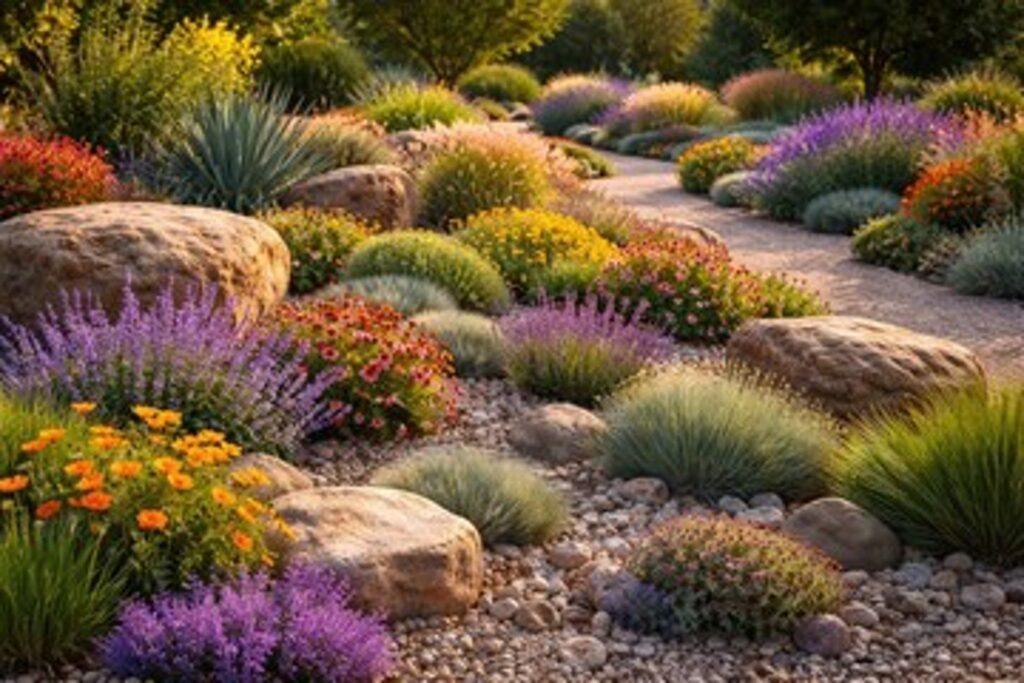
Xeriscaping (pronounced “zeer-i-scape”) is a sustainable landscaping method designed to save water in dry areas. It uses native, drought-tolerant plants, smart design, and efficient watering systems like drip irrigation. It also conserves water by grouping plants with similar moisture needs, improving soil, using organic or gravel mulch, and installing efficient drip irrigation. It actively reduces outdoor water use by up to 50% or more while lowering utility bills and yard maintenance.Xeriscaping promotes water conservation while maintaining visual appeal, offering an environmentally responsible alternative to traditional lawns. This approach is particularly valuable in areas like Arizona where water conservation is a priority.
In light of the proposed 20% reduction in Central Arizona Project (CAP) allocation of Colorado River to Oro Valley, now is a good time for all to consider how to reduce water consumption. Xeriscaping can help.
Financial Incentives & Rebates
Many Arizona municipalities offer lucrative “Grass Removal” rebates to incentivize homeowners to ditch water-thirsty turf and transition to low-water xeriscapes:
- City of Phoenix: Offers $2 per square foot for removing a minimum of 250 sq ft of living grass.
- City of Mesa: Provides up to $4,200 through their Grass-to-Xeriscape Incentive Program.
- EPCOR Arizona (Maricopa County): Provides $3 per square foot as a credit on your water bill for eligible grass conversion projects.
- City of Chandler: Offers rebates up to $2,000 for replacing non-synthetic grass with approved low-water-use landscaping.
- City of Tempe: Provides $0.50 per square foot of grass converted, up to $2,000 per fiscal year.
- City of Glendale: Offers $1 per square foot (up to $3,000) with a requirement of 70% plant coverage and at least one drought-tolerant tree.
Vistoso Community Association’s Commitment to Xeriscaping
Closer to home, the Vistoso Community Association (VCA) is committed to sustainable landscaping that utilizes natural desert plants. The association is replacing passive grassy areas with xeriscape landscaping in common areas as refurbishments are needed. Examples of this are the monuments at Tangerine and Rancho Vistoso Boulvard. The VCA is will also refurbish the entry monument at Vistoso Highlands Drive and Rancho Vistoso Boulevard later this year, removing the old artificial turf and replacing with xeriscape landscaping. The VCA provides an approved list of desert-friendly plants. (VCA-Plant-List-Separate-FINAL.pdf) This keeps your yard beautiful, saves water, and honors the natural Sonoran Desert. There is no plan to replace grass in park areas.
Approved Xeriscape Plants
The association divides permitted plants by their type. Popular, low-water choices from their approved list include:
Agaves & Desert Plants (Cacti)
- Century Plant (Agave americana): A very large, striking blue-green succulent that grows well in dry heat.
- Blue Glow Agave: A smaller, rounded plant with blue-green leaves and glowing red edges.
- Octillo / Ocotillo: Tall, whip-like branches that grow bright red flowers in the spring. Shrubs & Bushes
- Texas Ranger / Texas Sage (Leucophyllum spp.): A tough desert shrub with silver leaves and bright purple or pink blooms.
- Lantana (Lantana spp.): A fast-growing ground cover shrub that produces bold, colorful flowers.
- Fairy Duster (Calliandra spp.): A feathery plant that produces unique, brush-like pink or red flowers.
- Little Leaf Cordia: A hardy shrub with rough green leaves and bright orange flowers.
- Mexican Honeysuckle (Justicia spicigera): A great shade-loving plant that produces tubular orange flowers.
Trees
- Desert Willow (Chilopsis linearis): A beautiful, hardy tree that sprouts pink and purple orchid-like flowers.
- Palo Verde: Trees with striking green bark and bright yellow flowers.
- Mesquite: Tough desert trees with feathery leaves that provide great shade.
What to Avoid
The Vistoso HOA has a strict Prohibited Plant List. To prevent HOA fines and neighborhood damage, you must never plant invasive or “thirsty” species like: Palms (over 18 feet), Mulberry, Fruiting Olive.
Best Desert-Adapted Plants
You can replace high-maintenance turf with hundreds of beautiful, heat-resistant, low-water species native to the Sonoran Desert:
- Trees: Palo Verde, Desert Willow, Velvet Mesquite.
- Shrubs: Yellow/Orange Bells (Tecoma), Baja Red Fairy Duster, Texas Sage.
- Succulents & Cacti: Saguaro, Agave, Ocotillo, Golden Barrel Cactus, Soap Tree Yucca.
Essential Design Tips
- Use Drip Irrigation: Water all trees, shrubs, and groundcovers using a low-volume, automated drip system rather than overhead sprays.
- Add Mulch: Use decomposed granite or organic mulch (like wood chips) to reduce soil evaporation and suppress weed growth.
- Microclimates: Group plants that require slightly more water together (e.g., in low-lying areas designed to catch rainwater)
Environmental Benefits
- Saves Water: It cuts outdoor water use by up to 50% to 75% compared to grassy lawns.
- Helps Nature: Native plants provide food and homes for local birds, bees, and butterflies.
- Less Pollution: It needs no gas-powered mowers or chemical fertilizers, which keeps the air and local water clean.
Why it works in Oro Valley
Oro Valley is in the high desert. It gets very hot, sees little rain, and has strict watering rules. Xeriscaping is perfect here because:
- Adapts to Climate: Desert plants naturally handle the intense sun and dry, rocky dirt.
- Low Maintenance: You spend less time and money watering, weeding, and mowing.
Matches Nature: It looks beautiful and fits right into the natural desert views.
Critter of the Month for August 2026
Maggie on her way to Vistoso Trails Nature Preserve
Meet Maggie, enjoying a walk with Matt Wood, VCA Board President, near the Vistoso Trails Nature Preserve. With 6.2 miles of paved paths winding through more than 200 acres of Sonoran Desert, the Preserve offers Maggie plenty of interesting sights and smells—and her humans some beautiful views of the Catalina and Tortolita mountains. There’s something new to watch on their walks, too: construction recently began on the Vistoso Trails pond restoration project. The former 2.5-acre pond is being brought back using reclaimed water, along with a new trail around the pond, improved access and future landscaping. For now, Maggie and other Preserve regulars may encounter a few detours as work progresses, but there should be even more to explore when the project is complete.
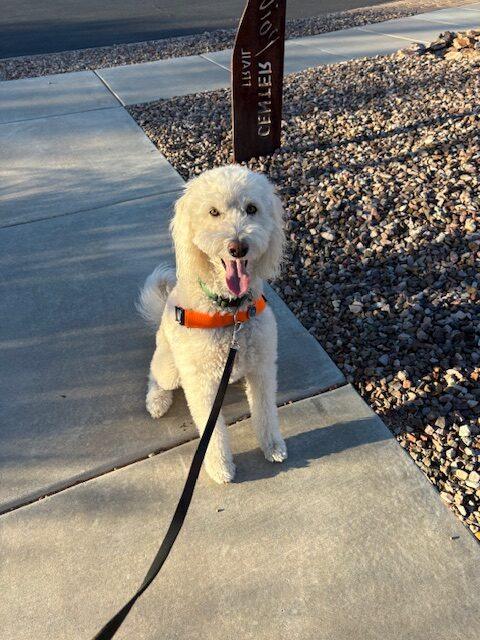
Do you know an exceptionally cute critter in your community? Share the love and give your furry, feathered, or scaled friend the spotlight they deserve. Submit a photo of a critter whether it’s your personal pet or a wild animal you’ve observed on the trail. Please attach a photo and a brief description of your critter to askvca@ranchovistosohoa.com with the title ‘Critter of the Month’ for a chance to be featured in next month’s newsletter
A Friendly Reminder Regarding Wildlife
We live in the beautiful Sonoran Desert and share our neighborhoods with the wildlife that has been here long before our homes. Coyotes, bobcats, javelinas, mountain lions, rattlesnakes, gila monsters, and birds of prey can pose a danger to humans and their pets. We must be aware of our surroundings and avoid confronting these animals. Maintain your distance and do not behave in a threatening manner. If you encounter a rattlesnake, please call 311 immediately to have it removed. Also, do not feed or supply water to wild animals since they may become more brazen.
Stay Informed with the New VCA Facebook Notification Service
To make it easier for residents to stay informed, the Vistoso Community Association (VCA) has added an optional Facebook notification service. Per a 2025 Pew Research Center Study, Facebook is the most common social media platform used by people 50 years of age and older, with over 71% using Facebook. The Board of Directors is committed to assisting members keep up-to-date on community activities. This initiative is intended to help you stay connected and will evaluate its effectiveness over the next few months.
Click HERE to search for the community in Facebook.
This is simply another way to information. It does not replace our website, newsletters, or email announcements. Instead, it provides a convenient way to receive notifications when important information is available.
Facebook notifications may be used for:
- Maintenance updates
- New newsletter availability
- Elections and annual meeting information
- Other timely Association announcements
All of this information will also continue to be available on the VCA website.
Participation is completely optional. If you already use Facebook, simply visit the Vistoso Community Association Facebook page and click Follow. You can also choose to enable notifications so Facebook will alert you whenever a new Association post is published.

Following the page does not mean your Facebook information is shared with the VCA. It simply tells Facebook that you would like to receive notifications from the page if you have notifications enabled.
The page is intended only for official VCA announcements. Residents cannot comment on posts, helping ensure that information remains accurate, consistent, and easy to find. If you would like to share an announcement with a neighbor, Facebook allows you to forward posts.
We recognize that not everyone uses Facebook, and that’s perfectly fine. The VCA website remains the primary source for information, with newsletters and email announcements continuing as they do today. The Facebook page is simply an additional option for residents who prefer to receive notifications on their mobile device or through social media.
Click HERE to search for the community in Facebook.
Proposition 431: OV’s Path Forward
Proposition 431: OV’s Path Forward will be on your ballot this November.
This is Oro Valley’s General Plan that was created by residents and, if approved, will set goals, policies and actions to guide the Town’s future. Read the plan before you vote by visiting OVPathForward.com.
If you have questions or want to staff to present to your sub-HOA, please contact OVPathForward@orovalleyaz.gov or call 520-229-4836.

Salsa, Tequila & Taco Challenge – September 6
Salsa, Tequila & Taco Challenge – September 6

Sunday, September 6, 2026
Labor Day Weekend
In its 18th year, the Salsa, Tequila & Taco Challenge returns as a bold expression of Southern Arizona’s culinary and creative energy. Hosted by Arts State Arizona at El Conquistador Tucson, A Hilton Resort, this one-night experience brings together the region’s top chefs, mixologists, and artists for an evening where flavor, culture, and community take center stage.
On Sunday, September 6, guests will explore a vibrant showcase of more than 40 local restaurants and beverage innovators, each presenting their most imaginative salsas, tacos, and cocktails. Designed as a spirited competition, the event invites attendees to sample freely and cast their votes for the standout flavors of the night—making every guest part of the experience.
Beyond the tastings, the atmosphere unfolds into something truly immersive. Live music sets the tone while artists create in real time, and moments of high-energy lucha libre-style wrestling add an unexpected edge to the evening. It’s a dynamic environment where culinary craftsmanship and artistic expression collide.
At its core, the Salsa, Tequila & Taco Challenge reflects Arts State Arizona’s commitment to elevating creativity as a vital part of everyday life. By bringing together food, art, and performance, the event highlights the people and perspectives that shape the region’s cultural identity.
Whether you’re drawn by bold flavors, live experiences, or the opportunity to connect with the creators behind it all, this is a night designed to engage the senses and celebrate the spirit of Southern Arizona.
Eat. Sip. Vote. Experience.